


Delicious Homemade Bread Without the Wait
The smell of fresh-baked bread fills your kitchen with warmth and comfort. But making bread from scratch can seem scary. Most people think bread takes all day to make with lots of rising time and complicated steps. What if you could bake amazing bread in just one hour from start to finish?
Good news! You absolutely can. These five bread recipes prove that homemade bread doesn’t have to be a huge time commitment. With the right techniques and ingredients, you can enjoy warm, crusty, delicious bread on your dinner table in about 60 minutes. Whether you’re new to baking or you’ve made bread before, these recipes are simple enough for anyone to master.
Let’s explore five different types of bread that you can make quickly. Each one has its own special texture and flavor, so there’s something for every taste.
What Makes These Breads So Fast?
Before we dive into the recipes, let’s talk about why these breads work so quickly. Traditional bread recipes use regular active dry yeast, which needs time to “wake up” and make the dough rise slowly. This can take several hours.
Fast bread recipes usually use instant yeast (also called rapid-rise yeast). This special yeast works much faster than regular yeast. You can mix it right into the dry ingredients without waiting for it to bubble in warm water first. The dough rises in a fraction of the time – sometimes in just 20 to 45 minutes instead of two or three hours.
Some of these recipes don’t use yeast at all. Instead, they rely on baking soda and buttermilk or beer to create bubbles in the dough. These are called “quick breads,” and they’re even faster because there’s no rising time required.
Another trick is using higher oven temperatures. When you bake bread at a higher heat, steam builds up inside the dough and makes it puff up quickly. Some recipes also put a pan of water in the oven to create extra steam, which helps the bread rise even more and gives it that perfect crispy crust.
Recipe 1: Classic One-Hour White Bread
This is the perfect beginner bread. It makes two beautiful loaves with a golden, chewy crust and soft, fluffy inside. You can use this bread for sandwiches, toast, or just eating warm with butter.

What You’ll Need:
- 5 cups all-purpose flour (plus extra for kneading)
- 3 teaspoons instant yeast
- 4 tablespoons sugar
- 2 cups warm milk or water (should feel just slightly warm to touch, about 110°F)
- 1 teaspoon salt
- cup melted butter
How to Make It:
Start by warming your milk to about 110 degrees. If you don’t have a thermometer, the milk should feel just barely warm when you touch it – not hot.
In a large mixing bowl (or your stand mixer), combine the flour, instant yeast, and sugar. Mix these together, then add the warm milk. Stir everything for about one minute until it starts coming together.
Now add the salt and melted butter. Mix this for five full minutes. If you’re using a stand mixer with a dough hook, set it to medium speed. If you’re mixing by hand, knead the dough on a clean counter for about 10 minutes. The dough should become smooth and stretchy.
How do you know when it’s ready? Poke the dough with your finger. If it bounces back, that’s a good sign. You can also try the “windowpane test.” Pull off a small piece of dough and stretch it between your fingers. If you can stretch it thin enough to see light through it without it tearing, your dough has developed enough gluten and is ready.
Put the dough in a bowl that’s been lightly coated with oil. Cover it with a clean kitchen towel and place it somewhere warm for 25 minutes. A good spot is near (not on) your preheating oven.
While the dough rises, heat your oven to 375 degrees.
After 25 minutes, your dough should have doubled in size. Now divide it into two pieces. Shape each piece into a loaf by tucking all the rough edges underneath to create a smooth top. Place your loaves on a baking sheet with parchment paper, leaving plenty of space between them.
Let the loaves rest for 20 more minutes. Then brush the tops with beaten egg (this makes them brown beautifully) and use a sharp knife to make three or four diagonal cuts across the top. These cuts aren’t just for looks – they help the bread rise evenly in the oven.
Bake for 25-30 minutes until the loaves are golden brown. If you tap the bottom of a loaf and it sounds hollow, it’s done. The internal temperature should be around 190-200 degrees if you have a thermometer.
Let the bread cool for a few minutes before slicing. The smell will make everyone in your house come running to the kitchen!
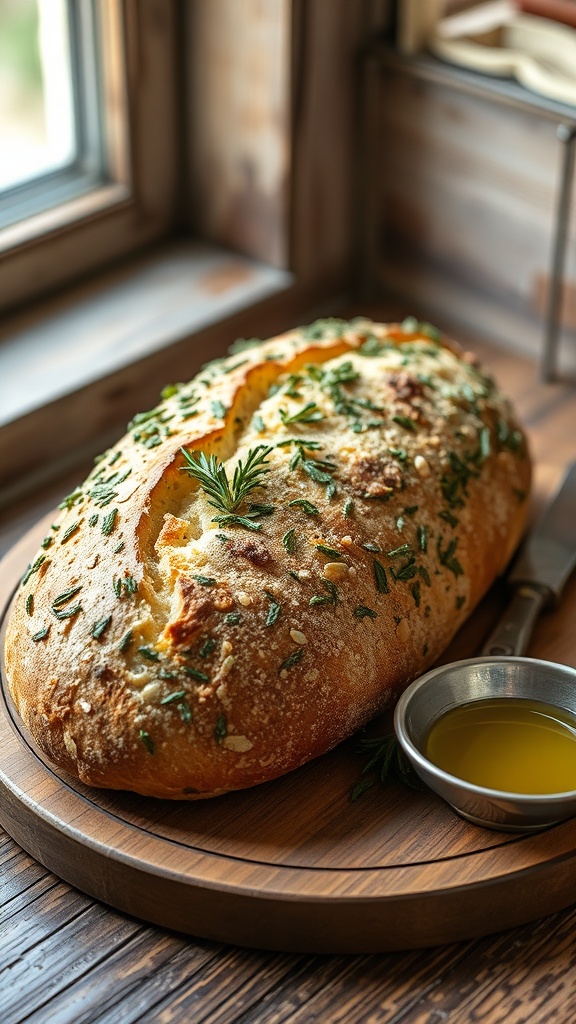
Recipe 2: Crusty Herbed Dinner Bread
This bread has a thick, crunchy crust with a soft inside. It’s loaded with herbs and olive oil, making it perfect for dipping in more olive oil or serving with soup.
What You’ll Need:
- 3 cups all-purpose flour (plus more for kneading)
- 1 tablespoon fast-rising yeast
- 1 tablespoon brown sugar
- 1¼ cups warm water
- 2 tablespoons olive oil (plus more for brushing)
- ¾ teaspoon salt
- 2 teaspoons fresh rosemary (or ½ teaspoon dried)
- Extra salt for sprinkling on top
How to Make It:
Turn your oven on to 400 degrees to start warming up.
In a large bowl, stir together the yeast, brown sugar, and warm water. Let this sit for about five minutes. You’ll see the yeast start to foam and bubble – this means it’s active and ready.
Add the flour, olive oil, salt, and herbs to the bowl. Stir until the flour is mostly mixed in. The dough will be a bit rough, but that’s okay. Don’t knead it yet – just press any dry flour bits into the dough with your fingers.
Cover the bowl with a towel and set it on your stovetop above the preheating oven. The warm air rising from the oven will help the dough proof (rise) quickly. Let it sit for 20-30 minutes.
After proofing, sprinkle some flour on your counter and dump the dough out. Knead it only three or four times – just enough to shape it into an oval loaf. You don’t want to over-work this dough.
Place the loaf on a greased baking sheet. Brush the top with olive oil and sprinkle salt over it. Use kitchen scissors or a sharp knife to make three or four cuts across the top.
Bake for 30-35 minutes until the crust is golden and sounds hollow when you tap it. The kitchen will smell incredible!
Let the bread rest for a few minutes before cutting. Serve it warm – it’s especially delicious when it’s fresh from the oven.
Recipe 3: No-Knead Beer Bread
This might be the easiest bread you’ll ever make. There’s no yeast to worry about, no kneading, and barely any mixing. The beer provides all the bubbles the bread needs to rise.

What You’ll Need:
- 3 cups all-purpose flour
- 3 tablespoons sugar
- 1 tablespoon baking powder
- 1 teaspoon salt
- 1 can (12 ounces) of beer at room temperature
- cup melted butter
How to Make It:
Heat your oven to 375 degrees. Grease a loaf pan with butter or cooking spray.
In a large bowl, whisk together the flour, sugar, baking powder, and salt. Pour in the beer and stir just until everything is combined. The batter will be thick and lumpy – don’t over-mix it.
Pour the batter into your prepared loaf pan. Drizzle the melted butter over the top.
Bake for 50-60 minutes. The top should be golden brown, and a toothpick stuck in the center should come out clean.
Let the bread cool in the pan for about 10 minutes, then turn it out onto a cooling rack.
This bread has a slightly sweet, malty flavor from the beer. Different types of beer will give you different flavors. Light beer makes a lighter, more subtle bread. Dark beer or stout gives you a richer, more complex taste. Non-alcoholic beer works great too if you prefer not to use alcohol (the alcohol cooks off during baking, but it’s nice to have options).
Beer bread is perfect with chili, stew, or just eaten plain with butter. It’s slightly denser than yeast bread, with a texture similar to a very soft biscuit.
Recipe 4: Quick Irish Soda Bread
Irish soda bread is a traditional recipe that doesn’t use any yeast. Instead, it relies on baking soda and buttermilk to make it rise. The result is a slightly dense, hearty bread with a unique texture.

What You’ll Need:
- 4 cups all-purpose flour
- 1 teaspoon salt
- 1 teaspoon baking soda
- 1¾ cups buttermilk
How to Make It:
- Preheat your oven to 425 degrees. Line a baking sheet with parchment paper.
- In a large bowl, whisk together the flour, salt, and baking soda. Make a well (a hole) in the center of the flour mixture.
- Pour the buttermilk into the well. Using your hand or a wooden spoon, stir the mixture from the center outward, gradually mixing the flour into the liquid. Mix just until the dough comes together. It will be slightly sticky.
- Dump the dough onto a floured surface. With floured hands, gently shape it into a round ball, about 8 inches across. Don’t knead it – just shape it gently.
- Place the dough on your prepared baking sheet. Use a sharp knife to cut a deep X across the top, going about halfway through the loaf. This helps the heat reach the center of the bread and also gives it that traditional Irish soda bread look.
- Bake for 30-40 minutes until the bread is golden and sounds hollow when tapped on the bottom. The crust should be firm.
Let it cool for at least 10 minutes before slicing. This bread is best eaten the day it’s made, while it’s still fresh.
Irish soda bread has a unique flavor and texture. It’s slightly tangy from the buttermilk and has a cake-like crumb. Some people add raisins or caraway seeds to their soda bread for extra flavor. You can slice it thick and eat it with butter, jam, or use it to soak up the sauce from your meal.
If you don’t have buttermilk, you can make your own substitute. Just add 1 tablespoon of lemon juice or vinegar to regular milk and let it sit for five minutes. It will curdle slightly, which is exactly what you want.
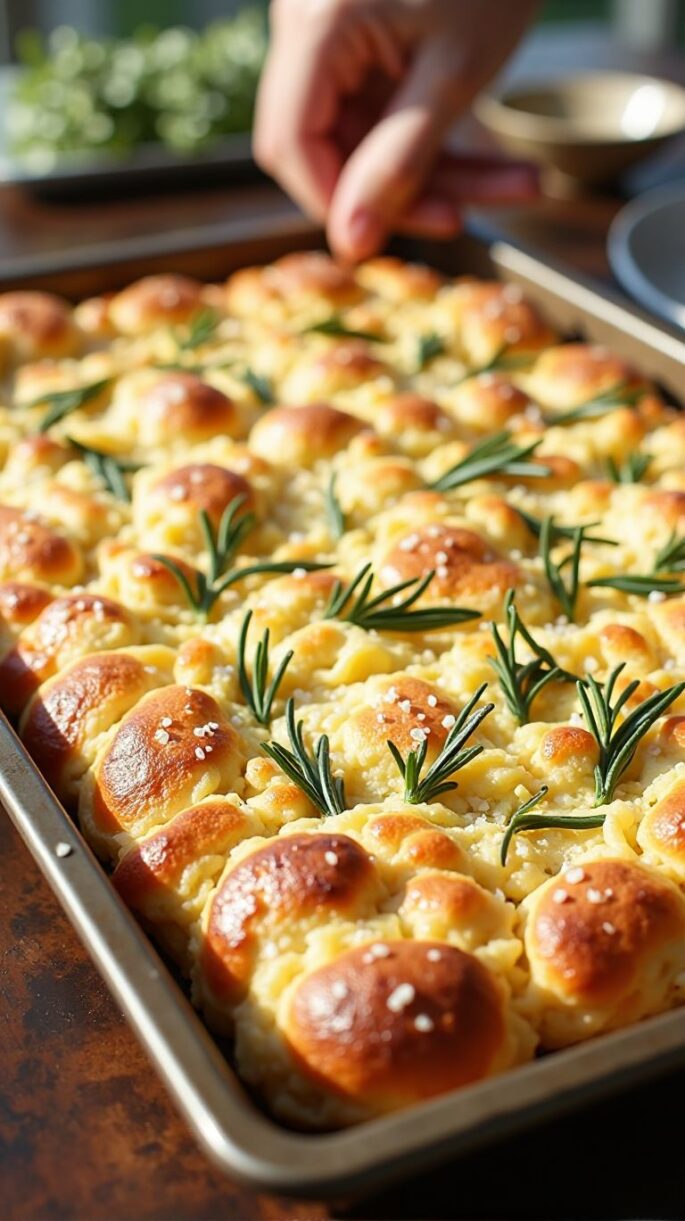
Recipe 5: Easy One-Hour Focaccia
Focaccia is an Italian flatbread topped with olive oil and herbs. It’s soft and fluffy inside with a crispy, salty bottom. This bread is perfect for dipping in olive oil or eating alongside pasta.
What You’ll Need:
- 3 cups all-purpose flour
- 1 tablespoon instant yeast
- 1 tablespoon sugar
- 1 cup warm water
- cup olive oil (plus more for drizzling)
- 1 teaspoon salt
- Fresh rosemary (or other herbs you like)
- Coarse sea salt for sprinkling
How to Make It:
In a large bowl, mix together the flour, yeast, sugar, and salt. Add the warm water and ¼ cup of olive oil. Stir until a shaggy dough forms.
Knead the dough for about five minutes until it becomes smooth and elastic. You can do this in a stand mixer or by hand on the counter.
Generously oil a 9×13 inch baking pan or a large cast-iron skillet. Place the dough in the pan and use your hands to press it out toward the edges. It doesn’t have to reach all the way to the corners yet.
Cover the pan with a towel and let it rest for 20 minutes. During this time, the dough will relax and spread out more.
While the dough rests, preheat your oven to 425 degrees.
After 20 minutes, the dough should be puffier. Use your fingertips to poke deep dimples all over the surface of the dough. Don’t be shy – press your fingers all the way down to the bottom of the pan. These dimples are the signature look of focaccia.
Drizzle plenty of olive oil over the top of the dough, letting it pool in the dimples. Sprinkle fresh rosemary leaves and coarse salt on top.
Bake for 20-25 minutes until the top is golden brown. The bottom should be crispy.
Let the focaccia cool slightly, then cut it into squares. It’s delicious warm or at room temperature.
Focaccia is super versatile. You can top it with different things before baking: cherry tomatoes, olives, garlic, cheese, or even caramelized onions. Get creative! You can also use focaccia as sandwich bread – it’s amazing for sandwiches with Italian meats and cheese.
Tips for Bread-Making Success
Now that you know five great one-hour bread recipes, here are some tips to help you succeed every time:
Check Your Yeast: If you’re using yeast that’s been sitting in your pantry for a long time, it might not work anymore. Test it by mixing a little with warm water and sugar. If it doesn’t foam up after five minutes, buy fresh yeast.
Temperature Matters: When recipes call for warm water or milk, they mean about 110 degrees. If the liquid is too hot (over 130 degrees), it will kill the yeast. If it’s too cool, the yeast won’t activate properly. When in doubt, make it just slightly warm to the touch.
Don’t Skip the Rise Time: Even though these recipes are fast, you still need to let the dough rise for the time specified. This is when the bread develops flavor and texture. Set a timer so you don’t forget.
Use the Right Flour: All-purpose flour works great for these recipes. You can substitute some whole wheat flour if you want, but the texture will be denser. If you use whole wheat, you might need to add a little extra liquid.
The Water Bath Trick: For recipes like the classic white bread, placing a pan of hot water on the bottom oven rack creates steam. This steam helps the bread crust get crispy and golden while keeping the inside soft.
Don’t Rush the Cooling: It’s tempting to cut into bread right away, but letting it cool for at least 10 minutes makes it easier to slice and lets the texture set properly.
Common Bread-Making Problems and Solutions
Even experienced bakers run into problems sometimes. Here’s how to fix common issues:
Problem: My bread didn’t rise
Solution: Your yeast might be dead, or the water was too hot or too cold. Always check the expiration date on your yeast and test the water temperature.
Problem: The bread is too dense
Solution: You might not have kneaded it enough, or you didn’t let it rise long enough. Make sure to knead until the dough is smooth and elastic, and give it the full rising time.
Problem: The bottom of my bread is too dark
Solution: Your oven might be too hot on the bottom. Try placing a second baking sheet under your bread pan to insulate it, or lower the oven temperature by 25 degrees.
Problem: The crust is too hard
Solution: Try brushing the hot bread with butter right when it comes out of the oven. This softens the crust. Also, make sure you’re not over-baking.
Problem: My bread is gummy inside
Solution: It’s not baked all the way through. Use a thermometer to check the internal temperature – it should be around 190-200 degrees.
Storing Your Homemade Bread
Fresh bread tastes best on the day it’s made, but you can keep it fresh longer with proper storage:
At Room Temperature: Wrap bread tightly in plastic wrap or put it in a bread box. It should stay fresh for 2-3 days.
In the Refrigerator: Don’t refrigerate bread unless it has perishable toppings or fillings. The cold actually makes bread go stale faster.
In the Freezer: Bread freezes really well! Slice it first, then wrap it tightly in plastic wrap and put it in a freezer bag. Frozen bread keeps for up to three months. You can toast frozen slices right from the freezer, or thaw the whole loaf at room temperature.
Refreshing Stale Bread: If your bread gets a bit stale, sprinkle it lightly with water and put it in a 350-degree oven for 5-10 minutes. This refreshes the crust and makes it taste fresh again.
Why Homemade Bread Is Worth It
Making your own bread has so many benefits. First, you know exactly what’s in it – no weird preservatives or chemicals. Just flour, water, yeast, and salt.
Homemade bread also tastes way better than store-bought. The texture is different, the flavor is richer, and there’s nothing like eating a slice of bread that’s still warm from the oven.
Baking bread fills your whole house with an amazing smell. It makes your home feel cozy and welcoming. There’s something special about the smell of baking bread that makes everyone feel happy.
Plus, once you get the hang of these recipes, they’re actually pretty easy. You don’t need any fancy equipment – just a bowl, a pan, and an oven. Many people find bread-making relaxing. There’s something satisfying about working with dough, shaping it with your hands, and watching it transform in the oven.
Conclusion
These five one-hour bread recipes prove that you don’t need all day to make delicious homemade bread. Whether you choose classic white bread, herbed dinner bread, easy beer bread, traditional Irish soda bread, or Italian focaccia, you’ll have fresh, warm bread on your table in about 60 minutes.
Start with whichever recipe sounds most interesting to you. Don’t worry if your first loaf isn’t perfect – even imperfect bread tastes amazing when it’s homemade. As you practice, you’ll get better and faster. Soon you’ll be able to whip up fresh bread whenever you want it.
The best part about bread-making is sharing it with others. There’s something generous and warm about giving someone a slice of bread you made with your own hands. So fire up that oven, grab some flour, and give one of these recipes a try. Your kitchen (and your family) will thank you!

Miss Maureen is a passionate cook and DIY crafts expert with extensive experience in recipe creation and handmade projects. She combines her love for delicious, home-cooked meals with creative crafting to inspire others. Through her easy-to-follow recipes and engaging craft tutorials, Miss Maureen helps you bring warmth, creativity, and joy to your kitchen and living space. Join her journey of flavorful dishes and artistic DIY creations for everyday inspiration and delightful homemade experiences.