

Fine, thin hair presents unique styling challenges that require strategic approaches to achieve volume, movement, and dimension. Whether your hair naturally lacks density or has become thinner over time due to hormonal changes, aging, or other factors, the right haircut can dramatically transform your appearance. The secret lies not in fighting against your hair’s natural texture, but in working with it through clever cutting techniques, strategic styling, and understanding which styles maximize fullness while minimizing the appearance of sparse areas.
This comprehensive guide explores twenty-six distinct haircuts specifically designed to give fine, thin hair the appearance of thickness, body, and vitality. From dramatic short crops to elegant medium-length styles, each cut has been carefully selected based on expert recommendations and proven results. Understanding why these cuts work and how to maintain them will empower you to make informed decisions about your next salon visit.
Understanding the Science Behind Volumizing Cuts
Before exploring specific styles, it’s essential to understand the fundamental principles that make certain haircuts more effective for thin hair. The weight of hair naturally pulls it downward, causing roots to lie flat against the scalp. Longer hair weighs more, creating even less volume at the crown. Strategic cutting removes weight while maintaining the appearance of thickness through optical illusions created by blunt lines, stacked layers, or textured ends.
Fine hair refers to the diameter of individual strands, while thin hair describes the overall density or amount of hair on your head. Many people have both characteristics, requiring cuts that address both issues simultaneously. The goal is always to create the perception of fuller, thicker hair through shape, movement, and clever manipulation of light and shadow within the haircut itself.
1. The Blunt Cut Bob
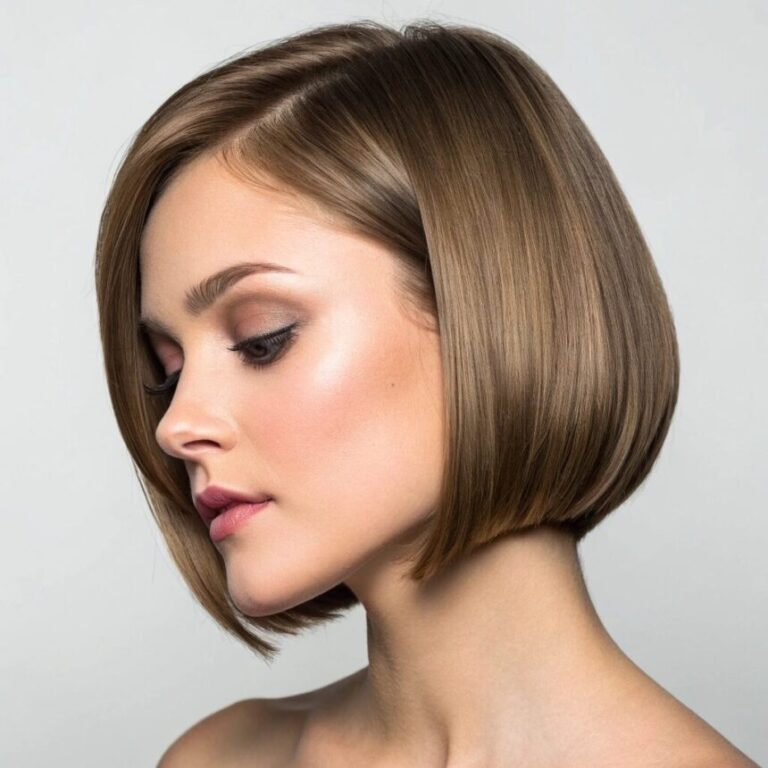
The blunt cut bob stands as the gold standard for thin hair transformations. This chin-length to shoulder-length style features straight-across ends that create an optical illusion of density and thickness. Unlike graduated or layered cuts that remove precious hair volume, every strand remains at the same length, working collectively to create maximum fullness. The sharp, clean line at the bottom tricks the eye into perceiving more hair than actually exists. This style requires commitment to regular maintenance, with trims needed every six to eight weeks to maintain the crisp edges that make it so effective. When grown out, the ends begin to thin and separate, undermining the entire purpose of the cut. Style with a large round brush while blow-drying to add body at the roots, and consider a slight wave or curl at the ends to enhance the volumizing effect further.
2. Textured Pixie Cut with Layers
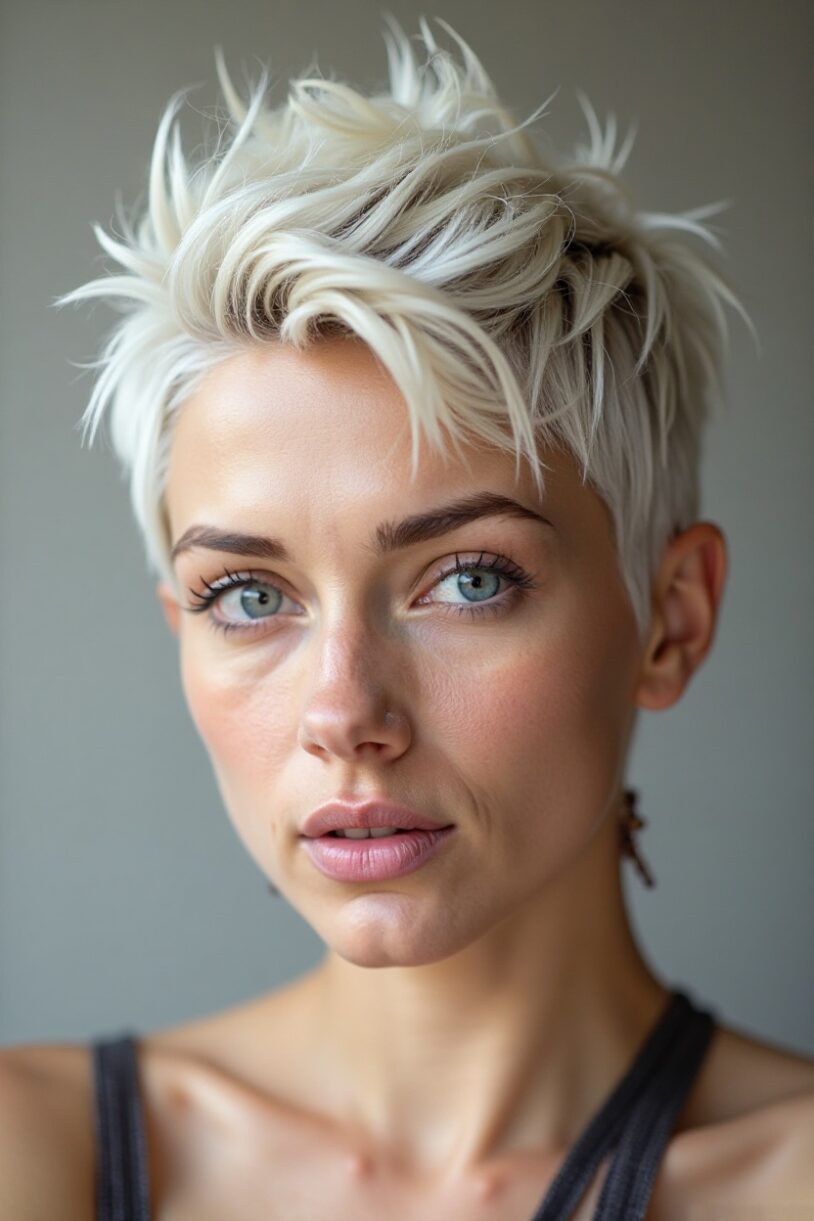
The textured pixie represents the ultimate confidence-boosting choice for those ready to embrace dramatic change. This liberating cut removes excess weight while strategically adding dimension through carefully placed layers and texturizing techniques.
The dramatically shorter length allows the thickest part of your hair—found at the roots closest to the scalp—to fully participate in creating volume and shape. Unlike longer styles where thin ends betray lack of density, the pixie cut eliminates this problem entirely. Styling requires minimal effort but maximum impact: apply a small amount of water-based pomade or matte wax to dry hair, working product through with fingertips to create piece-y separation and texture. Avoid heavy, oil-based products that weigh down fine strands and create a greasy appearance. The pixie grows out gracefully, allowing for creative styling during the in-between stages, making it surprisingly versatile despite its short length.
3. The Bixie: Bob Meets Pixie
The bixie emerged as one of 2024’s most popular cuts, combining the edginess of a pixie with the versatility of a bob. This hybrid style typically features shorter, tapered layers at the back and sides with longer pieces on top and at the crown, creating instant height and drama. The stacked layering technique builds volume where thin hair needs it most while maintaining enough length for styling flexibility. The bixie works exceptionally well for fine hair because it removes bulk that weighs hair down while retaining strategic length that can be styled multiple ways. Use texturizing sprays to define layers and lightweight mousses for added volume at the roots. During blow-drying, use a small round brush to create lift at the crown, directing hair upward rather than downward. The bixie offers modern edge with practical wearability, making it ideal for those wanting a statement cut that doesn’t require extensive daily styling.

4. Layered Long Bob (Lob)
The layered lob has earned its reputation as the most versatile cut for thin hair. Falling between the chin and collarbone, this length maximizes volume without the weight that causes longer hair to fall flat. The key lies in requesting soft, seamless layers that preserve thickness while adding movement around the face. Hairstylists recommend cutting layers at just the very tips, creating subtle graduation that adds lift without removing too much density from the ends. Face-framing pieces shorter than the rest create dimension and draw attention away from thin areas. The lob works with all face shapes and can be styled straight for a sleek look or with waves for added texture and volume. This length allows for multiple styling options including half-up styles, low ponytails, and textured updos, making it exceptionally practical for daily wear while still looking polished and intentional.
5. Inverted or Stacked Bob
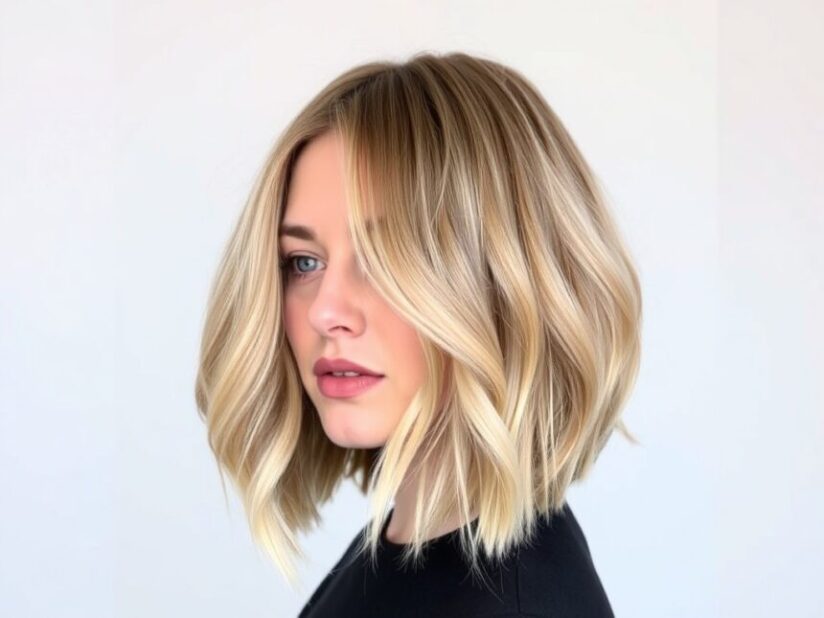
The inverted bob, also called a stacked or graduated bob, features progressively shorter layers at the back that stack upon each other, creating a rounded, voluminous silhouette. The front pieces remain longer, typically falling anywhere from the jawline to the collarbone, while the back is cut much shorter, often exposing the nape. This dramatic difference in length creates natural lift and body at the crown and back of the head, exactly where thin hair tends to fall flattest. The A-line shape is universally flattering, drawing the eye forward to frame the face while the stacked back provides architectural interest and volume. This cut requires regular maintenance to preserve its shape, with appointments needed every five to six weeks. Style by blow-drying with a round brush, rolling sections upward and away from the head to maximize the stacked volume. The inverted bob offers sophisticated style with built-in volume.

6. Modern Shag Haircut
The modern shag has evolved from its choppy 1970s origins into a softer, more refined cut perfect for fine hair. Today’s version features seamless, blended layers cut at varying lengths throughout the head, creating movement and dimension without removing too much weight. The key difference between a traditional shag and a modern one lies in the subtlety of the layers—instead of harsh, obvious separation, modern shags use softer, more graduated layering that creates lift while maintaining density. Ask your stylist for layers cut just at the very tips to build mass and body without exposing thin areas. The shag works particularly well when paired with subtle highlights or balayage, which add dimensional depth that makes hair appear fuller. Styling is refreshingly low-maintenance: apply volumizing mousse to damp hair, scrunch gently while air-drying or blow-dry with a diffuser, and finish with texturizing spray for piece-y definition. The undone, lived-in aesthetic actually works in favor of thin hair.
7. Curtain Bangs with Strategic Layers
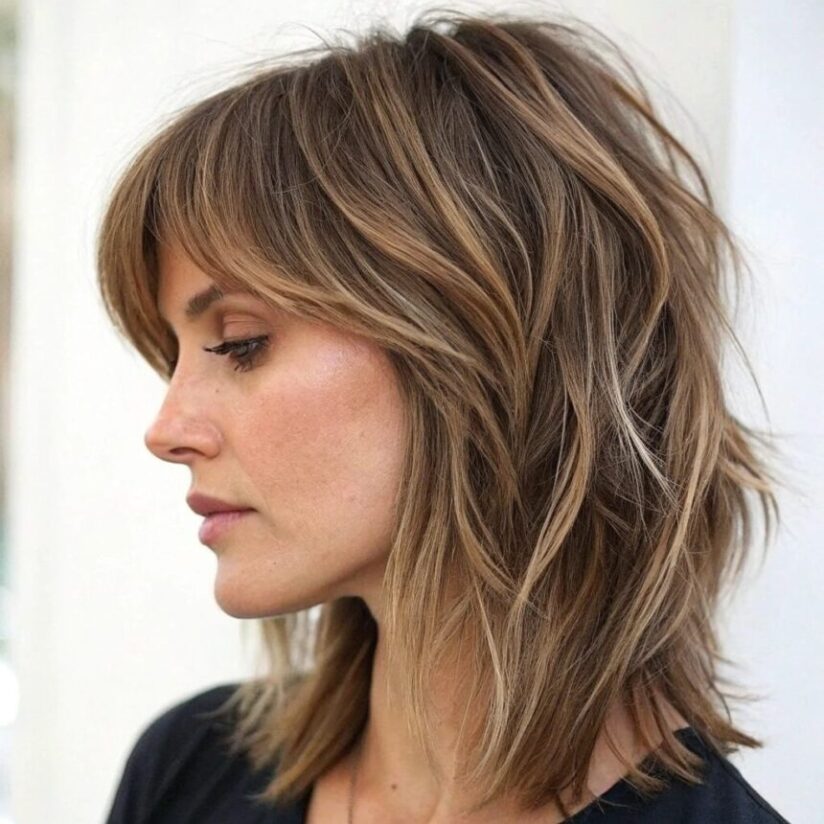
Curtain bangs have dominated hair trends because they’re universally flattering and exceptionally effective for thin hair. These bangs part naturally in the center and sweep gracefully to either side, creating face-framing dimension that makes the entire head of hair appear fuller. The key lies in keeping the bangs longer—typically falling between the cheekbone and chin—rather than short and blunt, which allows for versatile styling options. When paired with long, gradual layers throughout the rest of the hair, curtain bangs create a cohesive look that adds movement without sacrificing volume. The bangs themselves should be cut with soft, feathered edges rather than blunt lines, allowing them to blend seamlessly with side layers. This style requires minimal maintenance compared to full-fringe bangs and grows out gracefully, making it a low-commitment option for those hesitant about bangs. Style by blow-drying with a small round brush, rolling bangs away from the face to create the signature swooped effect.

8. French Bob with Heavy Fringe
The French bob combines Parisian sophistication with volume-boosting benefits for thin hair. This chin-length or slightly shorter cut features a blunt, straight-across hem paired with heavy, dense bangs that typically fall to the eyebrows or just below. The weight and thickness of the bangs creates an optical illusion that makes the entire haircut appear more voluminous and full. The classic French bob hits right at the jawline, creating a rounded, face-framing shape that emphasizes facial features while the substantial fringe adds density to the overall look. This style works best when cut with minimal to no layering, keeping all hair at a uniform length to maximize the appearance of thickness. The French bob requires regular trims every six weeks to maintain its precise shape and keep the bangs at the optimal length. Style is straightforward: blow-dry smooth with a paddle brush for a sleek, polished look, or add subtle texture with a flat iron for modern edge.

9. Asymmetrical Bob with Angular Drama
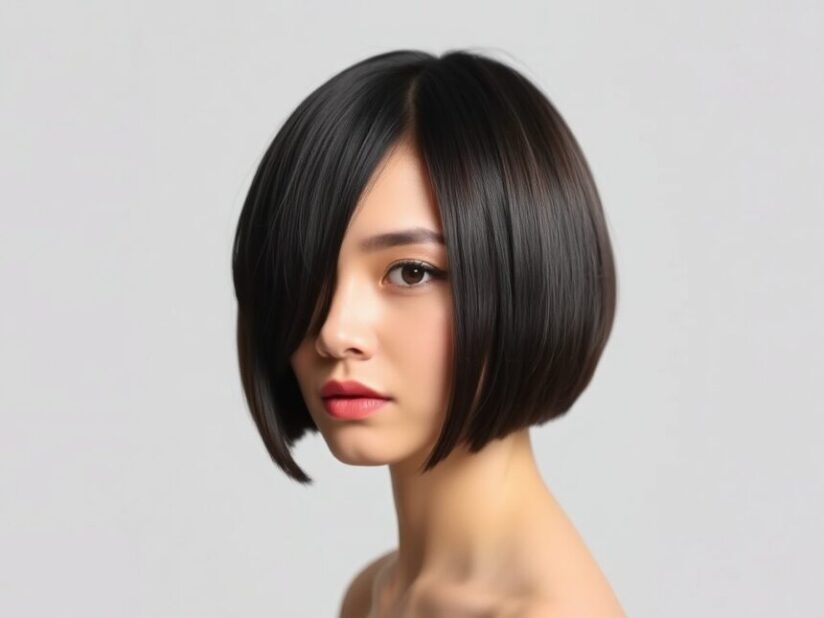
The asymmetrical bob creates visual interest through intentional imbalance, featuring one side significantly longer than the other. This dramatic difference naturally draws the eye to the fuller, longer side while the shorter side prevents the cut from appearing too heavy or weighed down. The contrast between lengths creates dimension and movement that thin hair often lacks, while the unexpected silhouette adds modern edge. Most asymmetrical bobs feature a gradual transition from short to long rather than an abrupt change, creating a swooping effect that’s both elegant and contemporary. This style works exceptionally well when the longer side falls anywhere from the chin to the shoulder while the shorter side is cropped close to the jaw or even higher. The asymmetry naturally creates lift at the roots on the shorter side, adding overall volume. Style by blow-drying smooth or adding waves for additional texture and interest.

10. One-Length Long Cut
For those committed to maintaining length despite having thin hair, the one-length cut offers the best solution. This style keeps all hair at exactly the same length, typically falling anywhere from the shoulders to mid-back, with absolutely no layers or graduation. Every strand works together to create maximum density at the ends, preventing the thin, wispy appearance that layered long hair often develops. The solid, unified shape creates an optical illusion of thickness and health, especially when ends are kept meticulously trimmed to prevent splitting or breakage. This cut requires the most commitment to hair health, as damaged ends immediately undermine the entire effect. Use deep conditioning treatments weekly, avoid excessive heat styling, and schedule regular trims every eight to ten weeks to maintain the blunt edge. When styled with volumizing products at the roots and gentle waves throughout the length, one-length hair can appear surprisingly full despite being naturally thin. Consider subtle balayage highlights to add dimensional depth.
11. Micro Bob (Chin-Length Bob)
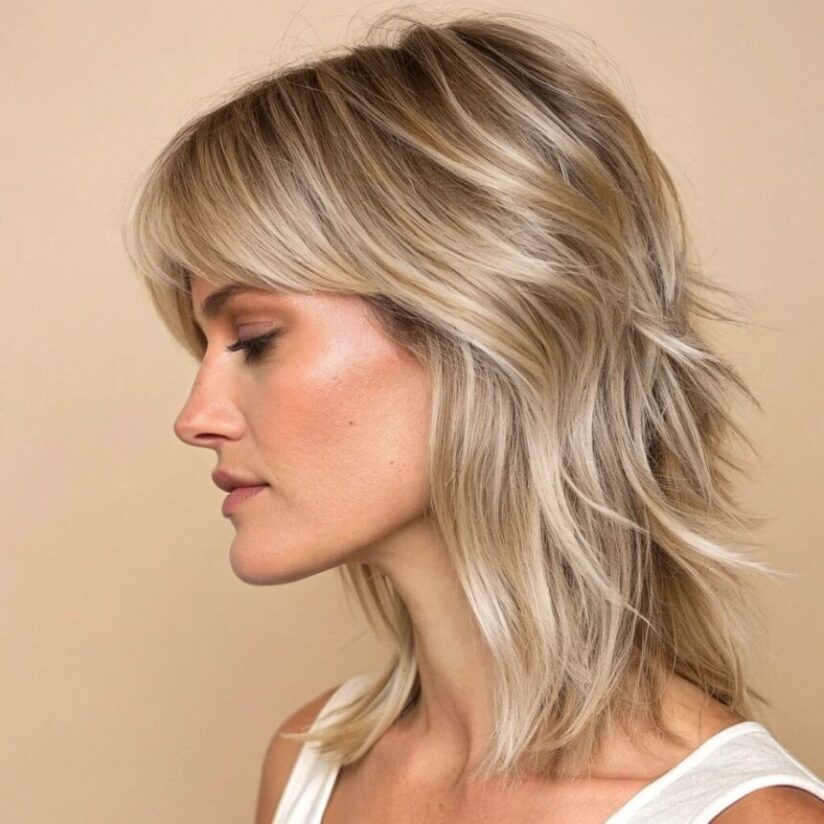
The micro bob, also called a chin-length bob or CLB, has become a signature style for those seeking maximum volume from thin hair. This blunt, one-length cut hits precisely at the chin, creating optimal fullness without the weight that longer hair adds. The strategic length prevents hair from being pulled down by gravity while maintaining enough length for styling versatility. Unlike shorter crops, the chin-length bob offers femininity and elegance while delivering the volume-boosting benefits of shorter hair. The lack of layers keeps every strand contributing to overall density, with no thin ends to betray sparse hair. This cut works with all face shapes but particularly flatters those with oval or heart-shaped faces. Style straight and sleek for sophisticated polish, add waves for romantic texture, or tuck one side behind the ear for asymmetrical interest. The micro bob requires regular maintenance every six to seven weeks to preserve its precise shape and length.

12. Shoulder-Length Cut with Soft Waves
The shoulder-length cut represents the sweet spot for thin hair—long enough to style in multiple ways but short enough to avoid being weighed down by excess length. This versatile cut typically falls one to three inches below the collarbone, with subtle, long layers that add movement without removing volume. The magic happens when styled with soft, loose waves that create texture and the appearance of fuller hair. Use a large-barrel curling iron or wand to create gentle bends rather than tight curls, which can make thin hair appear more sparse. The waves add dimension and catch light in ways that straight hair cannot, creating depth that makes hair appear thicker. This length also allows for practical styling like low ponytails, messy buns, or half-up styles that work for both casual and formal occasions. Apply volumizing mousse to damp hair before blow-drying and finish with light-hold hairspray to maintain wave definition throughout the day.

13. Textured Crop with Contrast
The textured crop offers ultra-short styling for those seeking maximum volume with minimum maintenance. This modern cut features longer pieces on top—typically one to three inches—paired with very short or even shaved sides and back. The dramatic contrast in lengths naturally creates height and volume on top while the short sides prevent bulk and keep the style looking intentional rather than simply sparse. This cut works exceptionally well for fine, thin hair because it eliminates weight entirely, allowing the longer top pieces to stand upward and outward rather than lying flat. Style by applying a small amount of styling cream or paste to damp hair, then using your fingers to create textured, piece-y separation as hair dries. The crop requires regular maintenance every three to four weeks to keep the sides short and maintain the contrast that makes this cut effective. Despite frequent salon visits, daily styling takes only minutes.
14. Graduated Bob with Rounded Volume
The graduated bob features layers that become progressively shorter toward the back and underneath, creating a rounded, voluminous silhouette when viewed from the side or back. Unlike the sharp angle of an inverted bob, the graduated bob offers softer, more subtle layering that builds body through strategic weight distribution rather than dramatic length differences. The graduation creates natural lift at the crown and back of the head, exactly where thin hair tends to fall flattest against the scalp. The rounded shape is universally flattering and works with all face shapes and ages, offering sophisticated style without edgy drama. This cut requires skillful execution—the graduation should be subtle enough to maintain density at the ends while creating enough internal layering to generate volume. Style by blow-drying with a large round brush, rolling sections upward to maximize the rounded, voluminous shape. The graduated bob offers timeless elegance with built-in body.

Miss Maureen is a passionate cook and DIY crafts expert with extensive experience in recipe creation and handmade projects. She combines her love for delicious, home-cooked meals with creative crafting to inspire others. Through her easy-to-follow recipes and engaging craft tutorials, Miss Maureen helps you bring warmth, creativity, and joy to your kitchen and living space. Join her journey of flavorful dishes and artistic DIY creations for everyday inspiration and delightful homemade experiences.