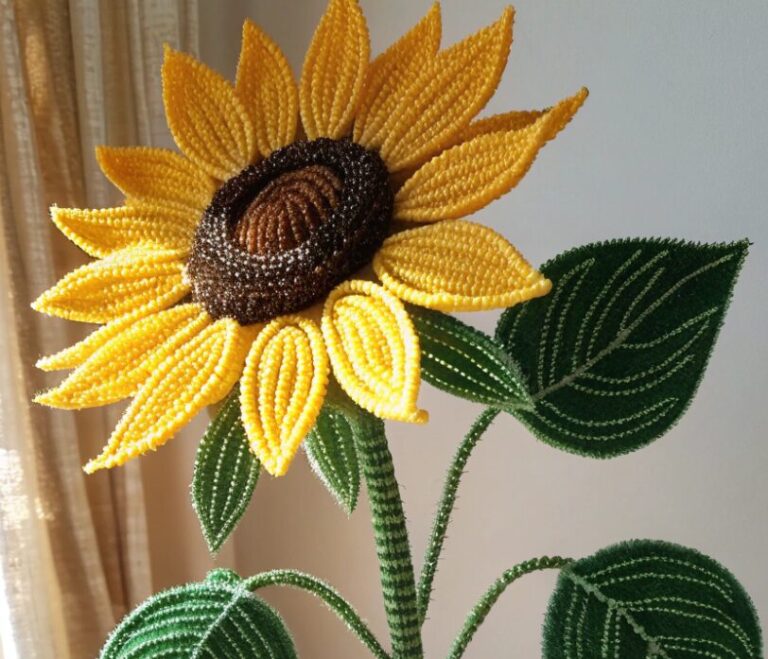


Have you ever seen beautiful flowers made entirely from tiny beads? French beaded flowers are a special craft that turns colorful beads and wire into stunning blooms that last forever. Unlike real flowers that wilt and die, these beaded creations stay beautiful for years. If you’re looking for inspiration for your next beading project, you’ve come to the right place. Let’s explore twelve wonderful French beaded flower patterns that you can learn to make.
What Makes French Beaded Flowers Special?
Before we dive into the patterns, let’s talk about what makes this craft so amazing. French beading is an art form that started in France many years ago. Crafters use seed beads (those tiny, round beads) and special wire to create realistic-looking flowers. The best part is that once you learn the basic techniques, you can make almost any flower you can imagine.
Once you master the fundamental techniques, you can create a huge variety of flowers using just beads and wire. The possibilities are truly endless.
1. Classic Roses
Roses are one of the most popular French beaded flower patterns. They look elegant and romantic, making them perfect for gifts or home decorations. Making a beaded rose takes some patience because you need to create multiple petals and layer them together. Each petal is made using a technique called the basic frame method. You start with a small petal in the center and gradually add larger petals around it. Our beaded flower tutorial shows exactly how to build these beautiful flowers step by step. You can make roses in any color you want – red for romance, pink for sweetness, or even blue for something unique.

2. Cheerful Daisies
Daisies are perfect for beginners because they’re simpler than roses but still look amazing. A daisy has a round yellow center surrounded by white petals. Each petal is made using a loop technique, where you create small loops of beads on wire. You will find different French beading techniques, including how to make a simple daisy. These flowers are great for making bouquets or decorating picture frames.

3. Lovely Lavender
Lavender is a beautiful purple flower that grows on tall stems. In French beading, lavender is an excellent practice flower for people just starting out. This shows lavender as the very first practice pattern. The flower parts are small and use a continuous loop technique. You make tiny purple loops to create the flower buds, and long, thin leaves using a basic frame method. When finished, lavender looks delicate and smells like creativity (even though it’s made of beads, not real flowers).
4. Spring Blossoms
Spring blossoms are those pretty flowers you see on fruit trees like apple and cherry trees in springtime. They have five rounded petals and often come in white or light pink. Time to learn basic French beading skills. Spring blossoms look beautiful when you make several of them and attach them to branches. They bring a touch of springtime into your home all year long.

5. Apple Blossoms
Similar to spring blossoms but with their own special charm, apple blossoms are another wonderful pattern for beginners. Apple blossoms typically have white or pale pink petals with a hint of pink at the edges. They even offer a free PDF pattern to help you get started. These flowers are forgiving if you make small mistakes, which makes them perfect for practicing your skills.
6. Exotic Orchids
Orchids are more challenging but absolutely stunning when completed. These elegant flowers have unique shapes with multiple petals and a special lip petal in the center. Orchids come in many colors – purple, white, pink, yellow, and even spotted patterns. While they take more time and skill than simpler flowers, the results are worth it. A beaded orchid looks so realistic that people might think it’s a real flower from far away.

7. Wild Roses
Wild roses are different from regular garden roses. They have fewer petals and look more natural and simple. Wild roses are perfect for creating casual, rustic-looking arrangements. They work wonderfully for country-style decorations or natural-themed projects.

8. Globe Amaranth
Globe amaranth is a round, puffy flower that looks like a little ball. These flowers are unique because they use a special technique called wire-back fringe. Globe amaranth flowers are fun to make because they have such an interesting texture. The tiny bead loops create a fuzzy appearance that looks amazing in mixed bouquets. These flowers typically come in purple, pink, or white.
9. Beautiful Cosmos
Cosmos are delicate flowers with thin petals that seem to float in the air. They have a daisy-like appearance but with more graceful, pointed petals. A look incredibly realistic. These flowers come in shades of pink, white, and burgundy. Cosmos are medium difficulty – not too hard for someone with basic beading skills, but still challenging enough to be interesting.
10. Elegant Lilies
Lilies are dramatic flowers with large, open petals. Now you can create these impressive blooms, which make wonderful gifts. Lilies have six long petals that curve outward and stamens (those stick-like parts) in the center. You can make them in bright colors like orange and yellow, or soft colors like white and pink. A single lily makes a big impact, so you don’t need many to create a beautiful display.
11. Lady Slipper Orchids
Lady slipper orchids are special orchids with a pouch-shaped petal that looks like a tiny shoe. These orchids are among the most fascinating flowers for French beading projects. They use size 11 beads and 24-gauge wire to create their unique shape. These flowers are definitely for more advanced beaders, but they’re so beautiful that they’re worth working toward as a goal.

12. Spring Blossom Earrings
While not a full flower, spring blossom earrings deserve a spot on this list. These use continuous loops and other basic techniques but on a much smaller scale. They’re perfect for using up leftover beads and make wonderful handmade gifts. You can create matching earrings in any color to go with different outfits.

Getting Started with These Patterns
Now that you know about twelve different flower patterns, you might be wondering where to start. You need just a few basic supplies: seed beads in your chosen colors, beading wire in different gauges (thicknesses), wire cutters, and possibly floral tape for finishing stems.
There are several main techniques you’ll use again and again: the basic frame technique, continuous loops, and lacing. Once you learn these core skills, you can mix and match them to create any of the twelve flowers we’ve discussed.
Tips for Success
Start with simpler patterns like daisies, lavender, or spring blossoms before moving on to complex flowers like roses or orchids. Don’t worry if your first flower doesn’t look perfect – even experienced beaders say their early projects were learning experiences. Practice makes perfect, and each flower you make will be better than the last.
Consider making several of the same flower before moving to a new pattern. This helps you really master the technique. You can create beautiful bouquets by making multiple flowers in coordinating colors.
Conclusion
French beaded flowers offer endless creative possibilities. From simple daisies to complex orchids, there’s a pattern for every skill level. These twelve ideas give you plenty of projects to keep you busy for months. The best part is that YouTube tutorials make learning these patterns easier than ever before. You can pause, rewind, and watch each step as many times as you need. So gather your beads and wire, pick your favorite pattern from this list, and start creating beautiful flowers that will never wilt.

Miss Maureen is a passionate cook and DIY crafts expert with extensive experience in recipe creation and handmade projects. She combines her love for delicious, home-cooked meals with creative crafting to inspire others. Through her easy-to-follow recipes and engaging craft tutorials, Miss Maureen helps you bring warmth, creativity, and joy to your kitchen and living space. Join her journey of flavorful dishes and artistic DIY creations for everyday inspiration and delightful homemade experiences.