
1. Baby Bangs Bob with Retro Flair
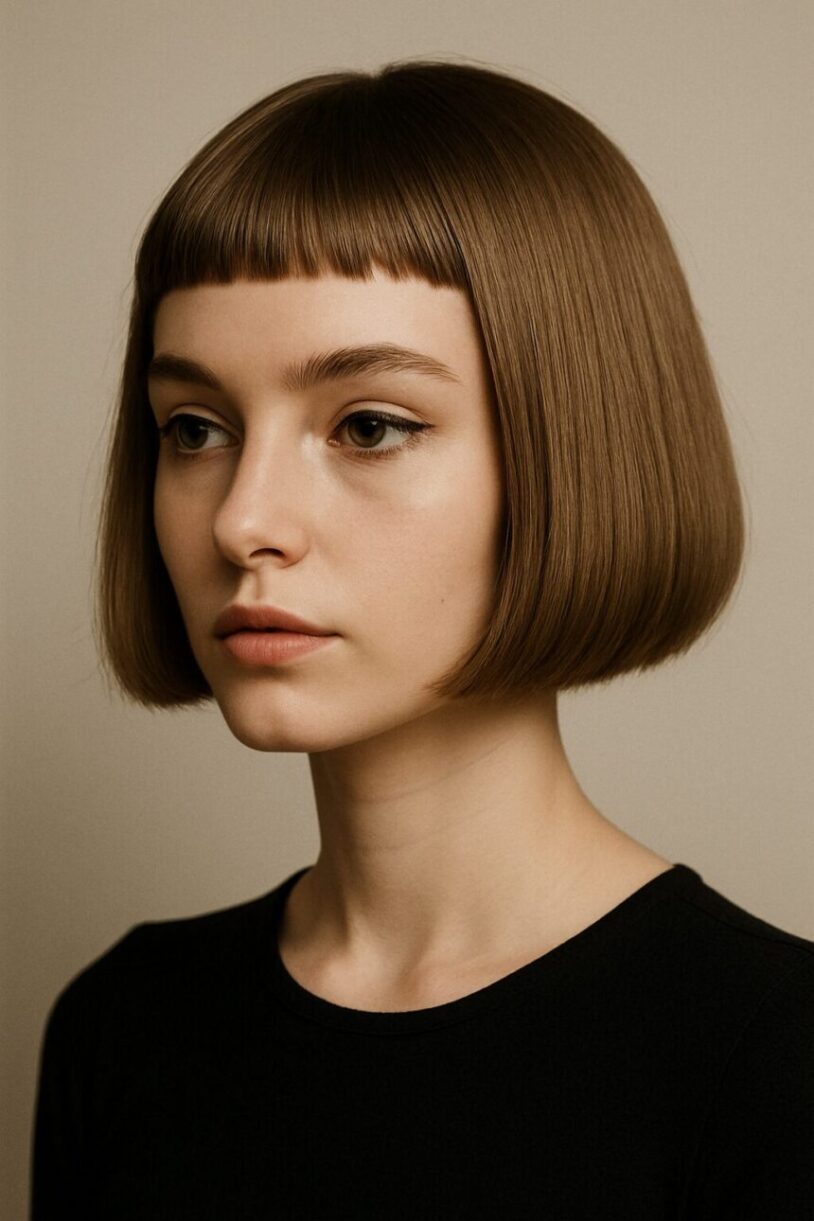
The baby bangs bob combines vintage charm with modern volume-boosting benefits. This eye-catching style pairs a classic blunt bob with ultra-short bangs that typically fall at mid-forehead or even higher, creating a bold, statement-making look. The heavy fringe adds instant personality and visual weight to the overall style, making the entire head of hair appear thicker and more substantial. Baby bangs work particularly well for thin hair because they concentrate a significant portion of your hair at the front of your face, creating the impression of density and fullness. The bob portion should be cut bluntly at chin length or slightly longer, maintaining maximum thickness at the ends. This retro-inspired style channels 1960s mod fashion while remaining thoroughly contemporary. Styling requires daily attention to keep bangs lying flat and smooth, using a flat iron or small round brush during blow-drying. Consider this cut only if you’re prepared for high-maintenance styling and regular trims every three to four weeks.
2. Tousled Midi Bob with Piece-y Texture
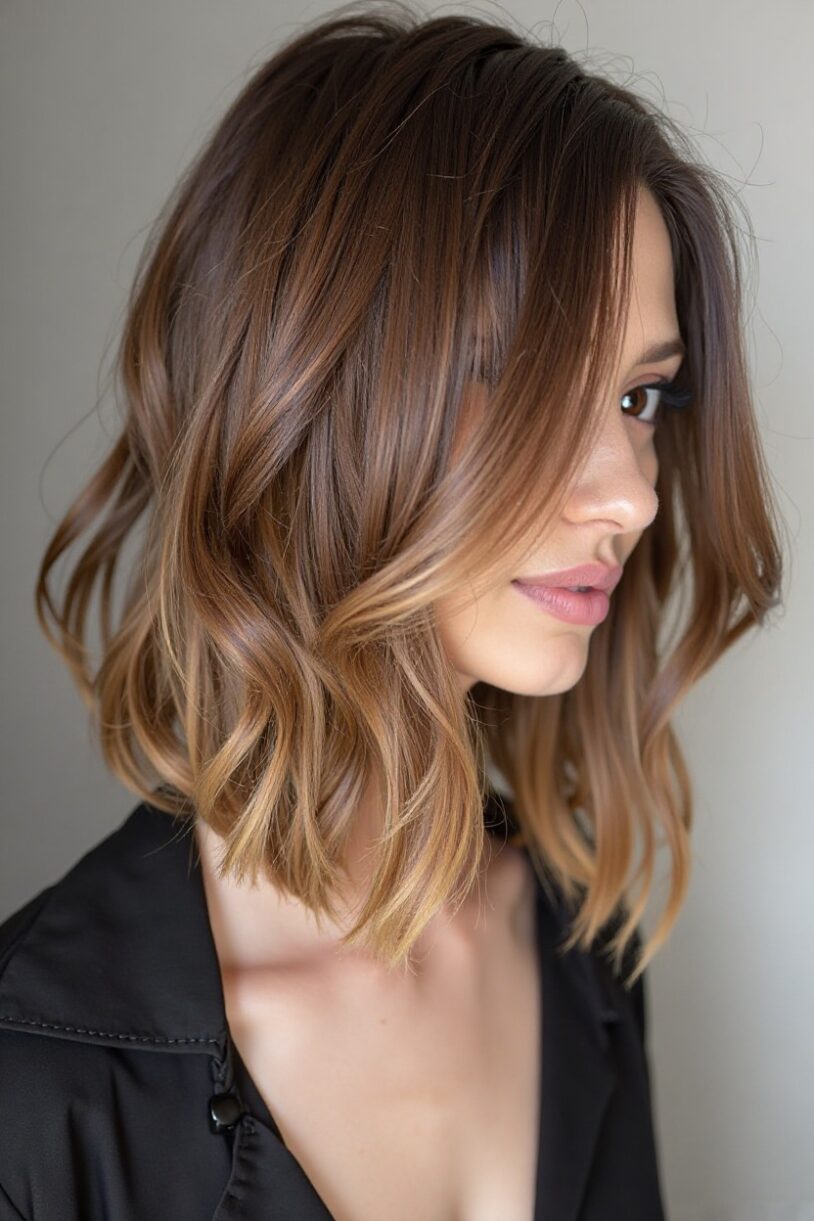
The midi bob occupies the perfect middle ground between a traditional bob and shoulder-length hair, typically falling two to four inches below the chin. When styled with tousled, piece-y texture, this cut looks effortlessly cool while creating the illusion of fuller, thicker hair. The slightly undone finish adds visual interest and dimension that thin hair naturally lacks, with textured ends preventing the straggly appearance that perfectly straight thin hair often displays. Ask your stylist for subtle internal layers that remove just enough weight to allow movement without sacrificing density. The tousled styling is key to making this cut work for thin hair—perfectly smooth styles reveal every sparse area, while textured, separated pieces create depth and shadow that suggest more hair. Style by applying texturizing spray or sea salt spray to damp hair, scrunching gently while air-drying or using a diffuser, then finishing with a small amount of paste or wax worked through ends for separation and definition.

3. Side-Swept Lob with Exaggerated Part
The side-swept lob creates instant drama through an intentionally exaggerated deep side part. This styling trick naturally lifts hair at the roots on the heavier side, creating immediate volume where thin hair typically falls flat against the scalp. The lob length—falling between chin and collarbone—provides enough length for the side-sweep to create impact while remaining short enough to maintain body. The heavier side creates the appearance of fullness and density, while tucking the lighter side behind the ear adds asymmetrical interest. This style offers flirty femininity combined with sophisticated polish, working equally well for professional settings and social occasions. The deep part should fall approximately three inches from the center of your head, though you can adjust placement based on face shape and personal preference. Style by blow-drying hair toward the heavy side, using a round brush to create volume at the roots. The side-swept lob requires minimal daily maintenance beyond recreating the deep part and adding light volumizing products.
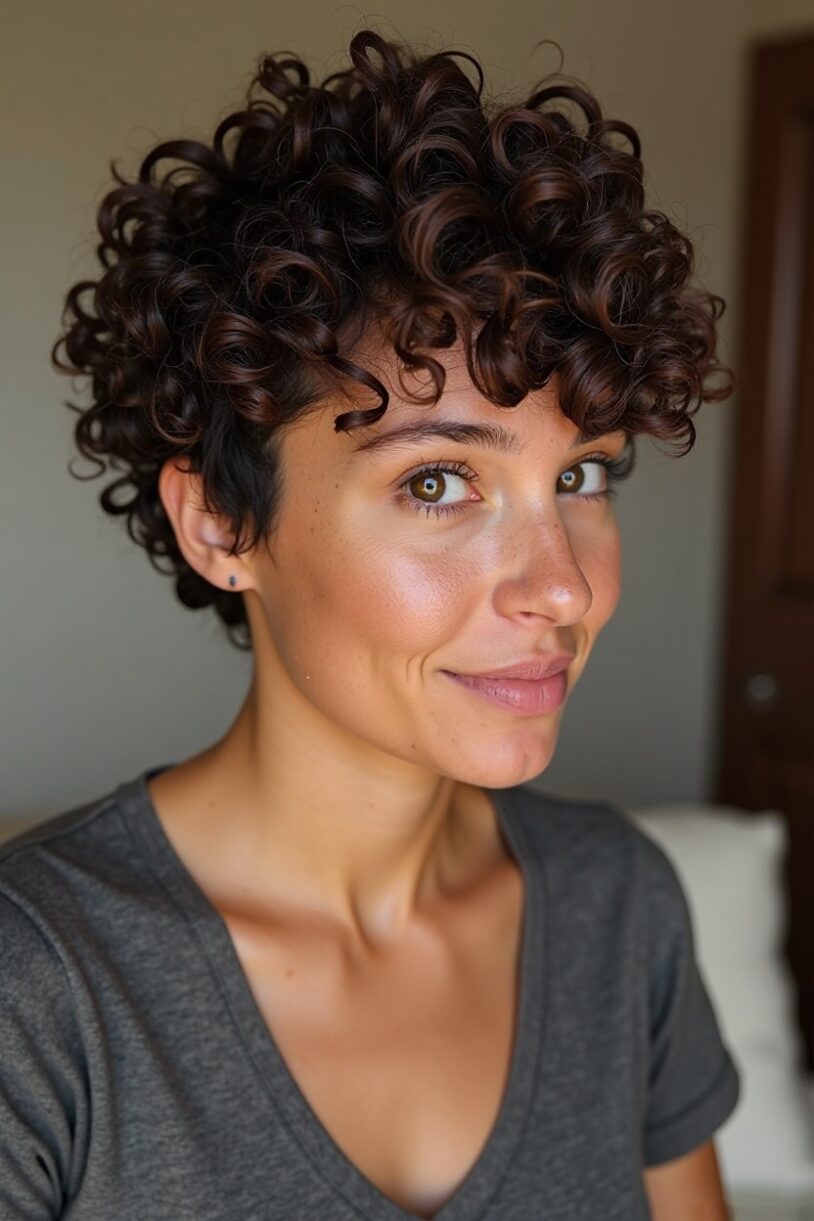
4. Curly Pixie with Natural Texture
For those blessed with natural curl or wave, the curly pixie offers adorable style with maximum volume benefits. This liberating cut embraces natural texture while removing weight that pulls curls downward, allowing them to spring upward and outward in their naturally voluminous state. The short length prevents curls from being weighed down by their own mass, creating bouncy, lively movement that thin hair desperately needs. Unlike straight pixie cuts, curly versions appear fuller and more dimensional due to the inherent volume that curly texture provides. The key lies in cutting hair dry so your stylist can see exactly how curls fall and where to place layers for optimal shape. Curly pixies require surprisingly little styling—simply apply a curl-enhancing cream or mousse to wet hair, scrunch gently, and allow to air dry or use a diffuser on low heat. The natural texture disguises any thin areas while the short length keeps curls from looking stringy or separated at the ends.
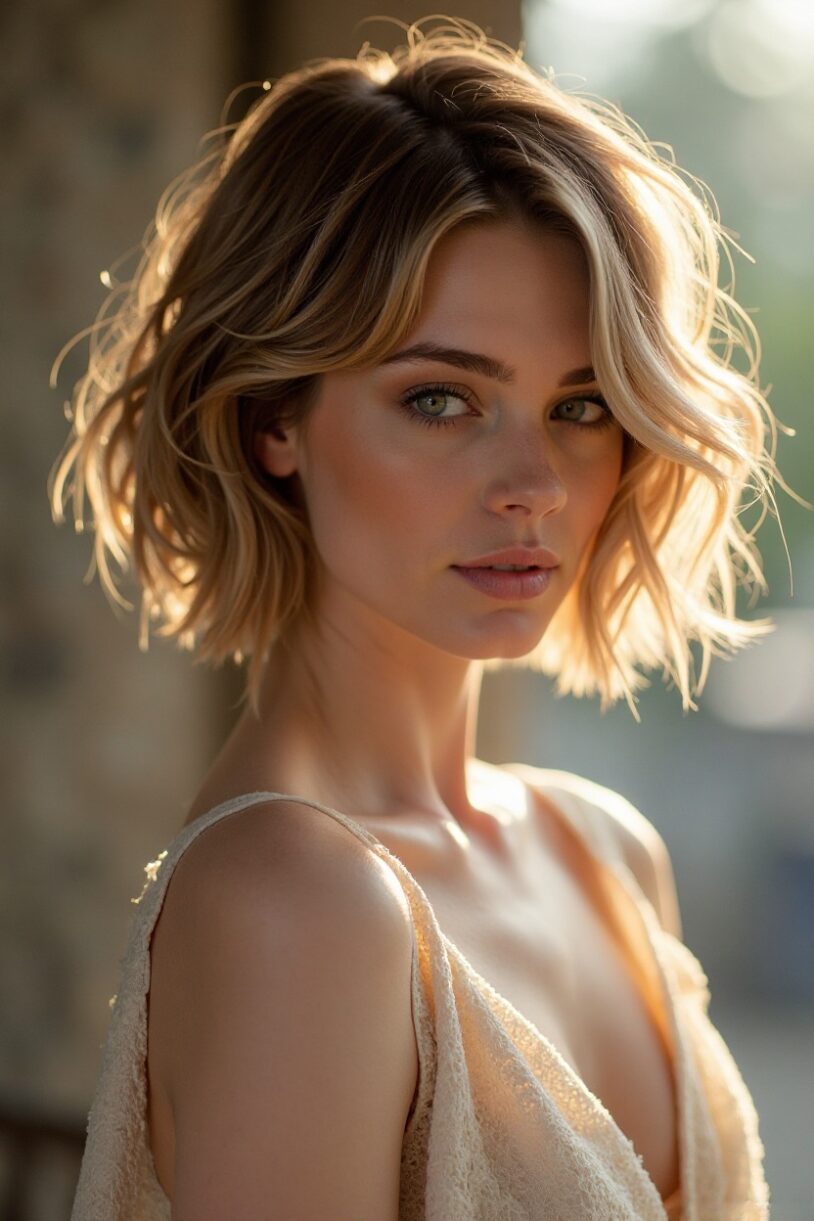
5. Floaty Bob with Romantic Side Part
The floaty bob exudes romantic femininity through soft, even layers and a gently swooped side part. This jaw-grazing cut features subtle layering throughout that creates airy, lightweight movement reminiscent of hair floating in a gentle breeze. The uniform layers prevent blunt heaviness while maintaining enough density to avoid looking thin or sparse. The side part adds instant volume on the heavier side while the floating, ethereal quality makes hair appear fuller without obvious volume-boosting techniques. This style works beautifully for fine, thin hair because it embraces the naturally soft, silky texture rather than fighting against it. The floaty quality comes from razor-cutting techniques that create feathered, diffused edges rather than blunt lines, allowing layers to blend seamlessly together. Style by applying lightweight mousse to damp hair, blow-drying with a medium round brush to create gentle movement, and finishing with shine spray for a luminous, healthy appearance. The floaty bob offers effortless elegance perfect for everyday wear or special occasions.
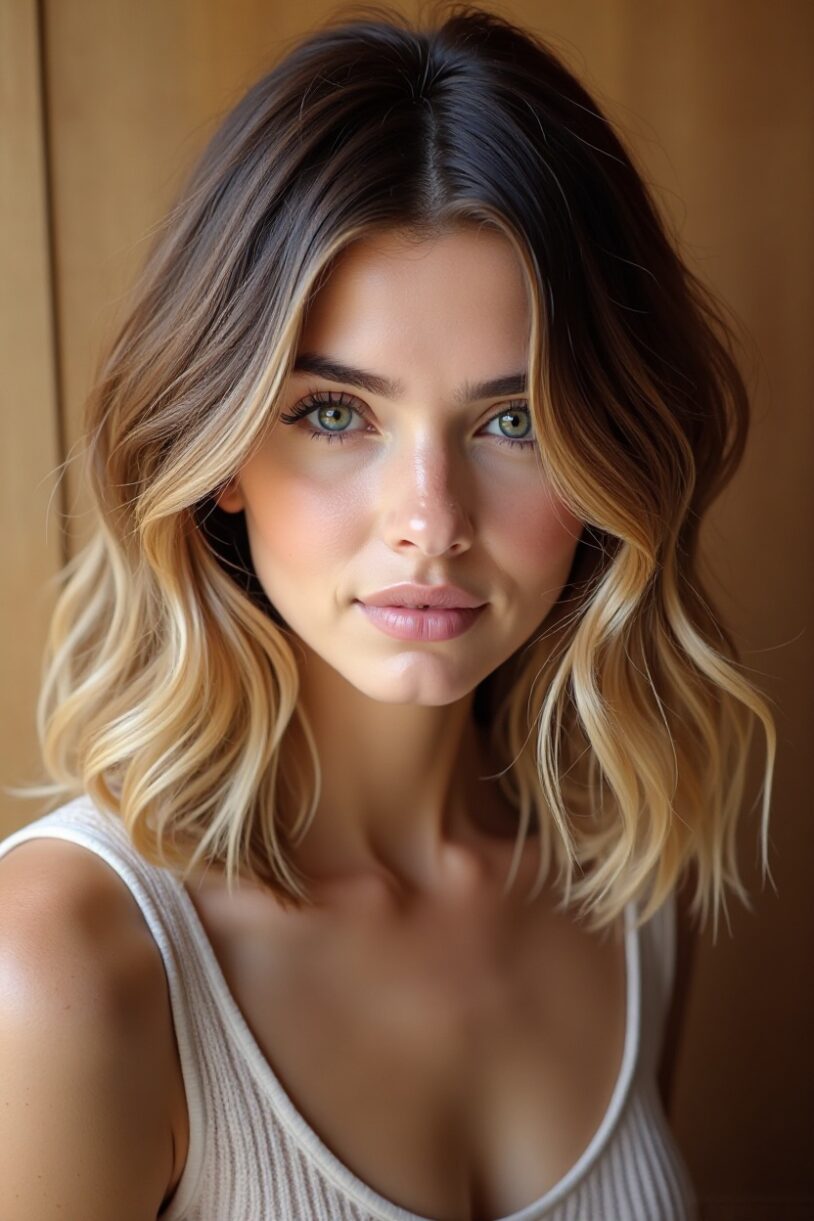
6. Wavy Shoulder-Length with Face-Framing Layers
This shoulder-length style combines strategic face-framing layers with textured waves to create multidimensional fullness. The face-framing pieces—typically starting at the cheekbone and gradually blending into the length—draw attention to facial features while adding the appearance of density around the face. Meanwhile, the shoulder-length body maintains enough weight to prevent the style from looking too choppy or disconnected while remaining short enough to avoid being pulled flat. The waves are crucial for making this cut work on thin hair, adding texture and dimension that straight hair cannot achieve. Use a medium-barrel curling iron to create loose, natural-looking waves throughout, leaving ends slightly straighter for a modern finish. The combination of strategic layering and textured styling creates depth and shadow within the hair that suggests more volume and thickness than actually exists. This versatile cut works for all face shapes and can be styled multiple ways depending on occasion and preference.
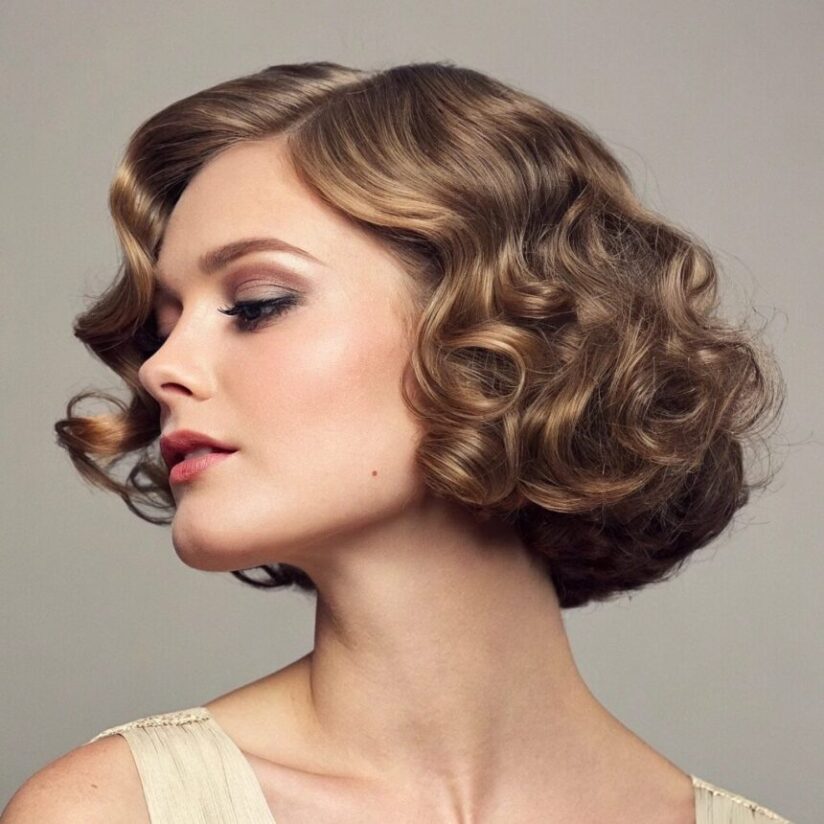
7. Kicked Bob with Outward Flipped Ends
The kicked bob adds playful personality to thin hair through ends that flip slightly outward rather than curving inward or hanging straight. This retro-inspired detail creates visual interest and volume simultaneously, with the outward kick adding width and fullness to the overall silhouette. The kick typically begins at the bottom one to two inches of the hair, creating a subtle but noticeable flare that makes thin hair appear more substantial. This style works best on chin-length to slightly longer bobs cut in a blunt or subtle A-line shape. The kicked ends can be achieved through blow-drying with a round brush, turning the brush outward at the ends, or by using a flat iron to create the characteristic flip. The style channels 1960s fashion icons while remaining completely contemporary and wearable for modern life. The kicked bob requires daily styling to maintain the outward flip, but the effort takes only minutes and delivers significant volume-boosting impact for thin hair.
8. Slicked-Down Updo with Architectural Bangs
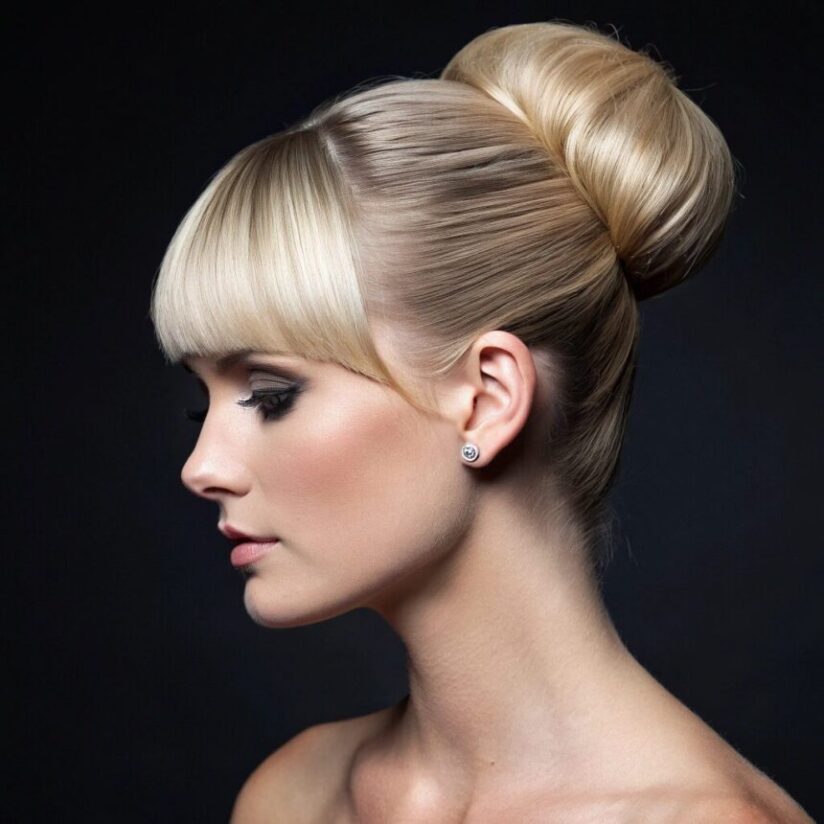
For special occasions or formal events, the slicked-down updo with architectural bangs offers elegant sophistication while cleverly disguising thin hair. This structured style uses hair gel and tight smoothing to create a sleek surface that actually fills gaps and creates the appearance of density where little exists. The key lies in using enough product to coat and control every strand, creating a unified, glossy surface rather than separated pieces that reveal thinning. The architectural bangs—whether blunt, swooped, or geometrically shaped—add dramatic focal point and visual weight to the overall style. This updo typically pulls hair back into a low bun, chignon, or sleek ponytail, keeping the focus on the smooth, polished surface and dramatic bangs rather than on hair density or thickness. While not suitable for everyday wear, this style proves that thin hair can absolutely work for formal occasions when approached with the right techniques and sufficient product to create structure and control.
9. Short Locs with Protective Benefits
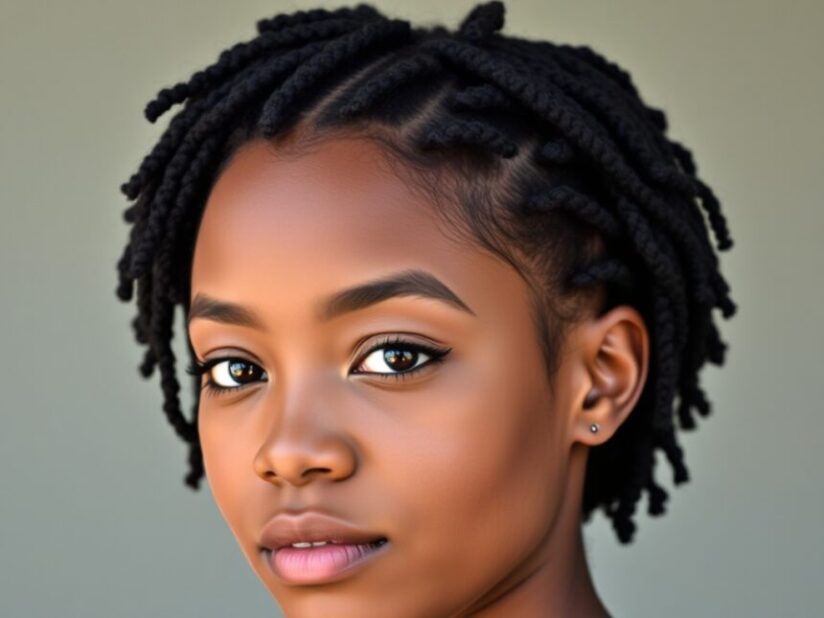
For those with Afro-textured hair experiencing thinning, short locs offer both protective styling and volume-boosting benefits. When installed correctly with low-tension partings, locs can make gaps virtually invisible while adding impressive fullness and dimension. The rope-like texture of locs naturally creates the appearance of more hair, with each loc representing multiple strands twisted or braided together. Short locs—typically falling above the shoulders—prevent the weight that causes longer locs to pull at the scalp and potentially worsen thinning. The key lies in working with an experienced loctician who understands how to create locs that protect thinning hair rather than damaging it further through excessive tension or tight retwisting. Short locs require minimal daily maintenance beyond occasional moisturizing and can be styled in numerous ways including updos, half-up styles, or accessorized with beads, cuffs, or wraps. This protective style allows thin hair to rest and potentially recover while looking full and stylish.
10. Razor-Sharp Pixie with Gamine Precision
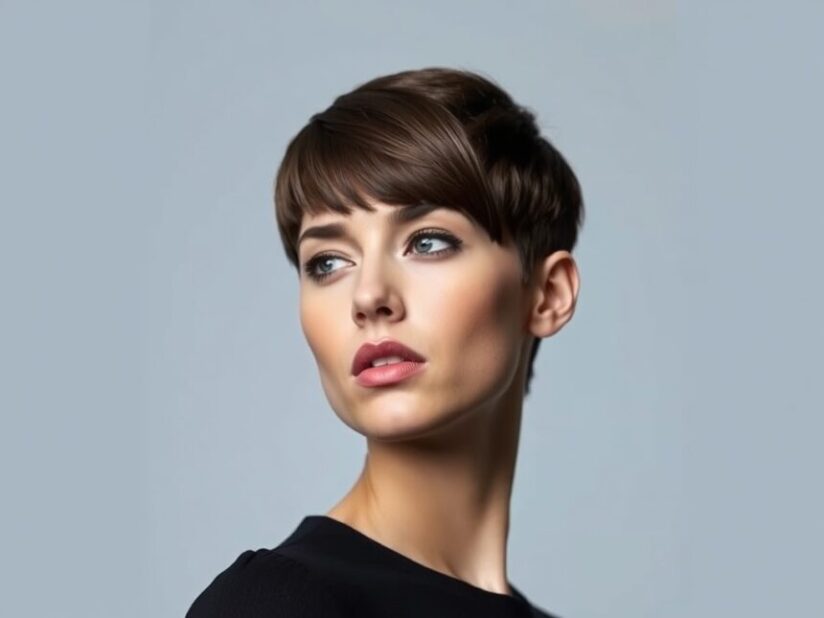
The razor-sharp pixie delivers ultra-precise edges and clean lines for a gamine, youthful appearance. This meticulously cut style lies intentionally close to the scalp with geometric precision, featuring ultra-short sides and back with slightly longer top pieces shaped into a sleek, smooth silhouette. A micro-fringe falling just above or at the eyebrows adds additional structure and visual weight to the cut. This style works exceptionally well for thin hair because it eliminates length entirely, preventing any possibility of wispy, thin-looking ends while creating intentional shape through cutting rather than relying on hair density for fullness. The razor-sharp edges require expert cutting skills and frequent maintenance every three to four weeks to preserve the precise lines and clean silhouette. Style by applying a small amount of gel or pomade to slightly damp hair, using a fine-tooth comb to create smooth, sleek sections that emphasize the architectural quality of the cut. This bold choice makes a powerful statement while being remarkably practical for daily wear.
11. Bumped Bob with Dimensional Highlights
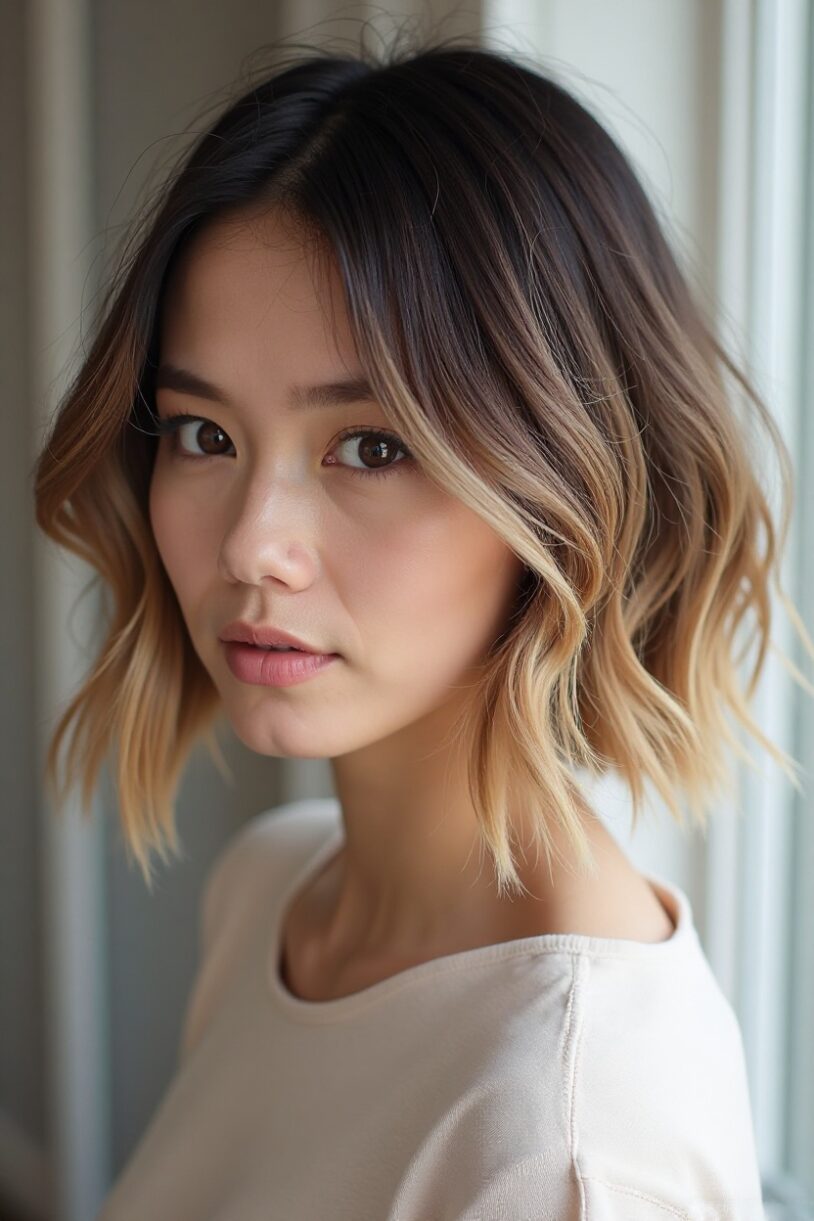
The bumped bob creates internal volume through hidden layering that generates lift and body without visible layers at the surface. This technique involves cutting shorter layers underneath longer top layers, creating space for air and volume beneath the smooth exterior surface. When combined with face-framing highlights that concentrate lighter color around the face, this cut creates the optical illusion of fuller, more dimensional hair. The highlights add depth perception—lighter pieces appear to come forward while darker pieces recede, creating a three-dimensional effect that flat, single-colored thin hair cannot achieve. The bump comes from blow-drying the internal layers upward while smoothing the surface layers down over them, creating a rounded, voluminous silhouette. This sophisticated technique requires a skilled stylist who understands internal layering and typically falls into the medium-length category, hitting anywhere from the jaw to the collarbone. The bumped bob offers polished, put-together style that looks intentionally voluminous rather than accidentally thin.
12. Curved Bob with Graceful Volume
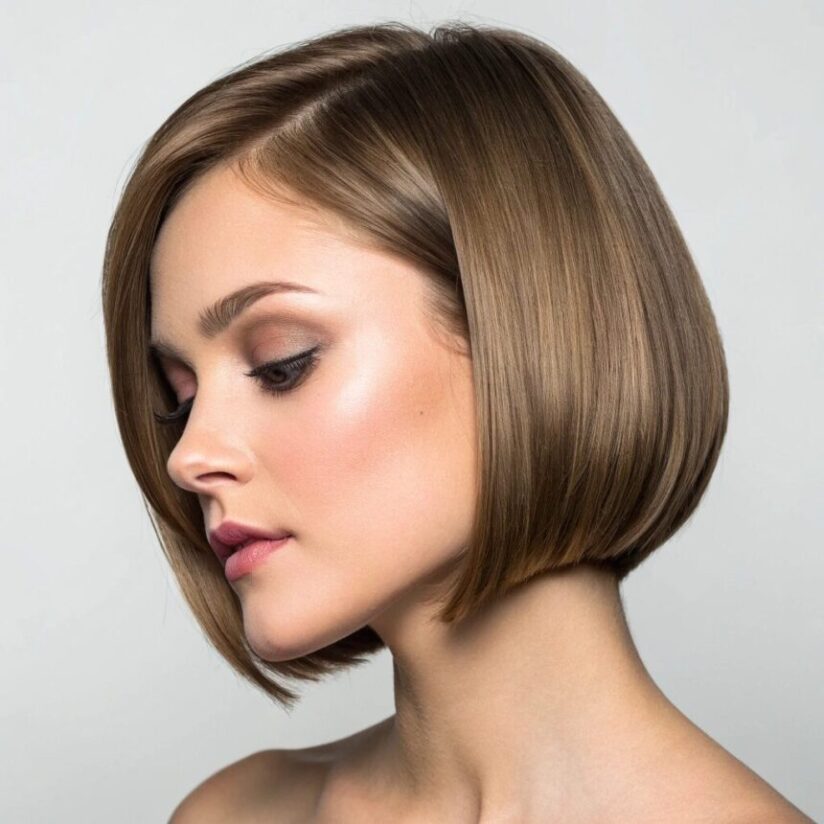
The curved bob features an elegant, swooping line that creates fullness through its gracefully angled shape. This timeless cut typically starts shorter at the back and gradually lengthens toward the front, but unlike a sharp inverted bob, the curved version features a softer, more rounded transition. The gentle curve creates natural body and movement, with the graduated angle providing lift at the crown while longer front pieces frame the face beautifully. This universally flattering shape works for all face shapes and ages, offering classic sophistication with built-in volume benefits. The curve should be subtle enough to look natural rather than drastically angled, creating a gentle, flattering line that enhances rather than overwhelms facial features. When styled smooth and sleek, the curved bob looks polished and professional; when styled with waves or texture, it becomes more casual and relaxed. The versatility combined with inherent volume-boosting properties makes the curved bob a perennial favorite for those with thin hair seeking elegant, manageable style.
Essential Styling Techniques for Maximum Volume
Regardless of which cut you choose, proper styling techniques make the difference between flat, lifeless hair and voluminous, full-looking locks. Always begin with the right products applied to freshly washed, towel-dried hair. Volumizing mousses and root-lifting sprays provide lift without weight when worked through damp strands from roots to ends. Blow-drying technique is crucial—flip your head upside down while drying the roots to create lift, or use a round brush to manually lift sections away from the scalp as you dry. Direct heat and airflow at the roots rather than the ends, as the roots determine overall volume while ends simply need smoothing.
Avoid heavy products like oils, serums, and cream-based styling products that weigh down fine strands and create a greasy appearance. Instead, opt for lightweight formulas specifically designed for fine hair. Dry shampoo serves double duty as both a cleanser between washes and a volumizing product—spray at the roots, let sit for a few minutes, then massage in to create texture and lift. For heat styling, use the lowest effective temperature to prevent damage that makes thin hair appear even thinner. Finish with a light-hold hairspray applied from underneath the hair to support volume without creating stiffness or visible product residue.
Color Techniques That Enhance Thin Hair
Strategic color placement can dramatically enhance the appearance of thin hair by creating depth and dimension. Subtle highlights or balayage techniques add visual interest through light and shadow play, making hair appear thicker and more substantial. Ask your colorist for face-framing highlights that concentrate lighter pieces around your hairline and throughout the top layers while keeping underneath sections darker. This creates dimension that suggests more hair by adding depth perception—lighter pieces appear to advance while darker sections recede, creating a three-dimensional effect.
Avoid all-over bleach or very light colors that can make the scalp more visible through thin hair. Similarly, avoid single-process dark colors that create flat, one-dimensional appearance. The key lies in subtle contrast—typically no more than two to three shades lighter than your base color for highlights. Consider techniques like babylights, which create very fine, natural-looking highlights that add brightness without harsh lines. Toning is equally important, as brassy or overly warm tones can make thin hair appear more sparse. Work with a skilled colorist who understands how to use color to create the illusion of fullness and density.

Miss Maureen is a passionate cook and DIY crafts expert with extensive experience in recipe creation and handmade projects. She combines her love for delicious, home-cooked meals with creative crafting to inspire others. Through her easy-to-follow recipes and engaging craft tutorials, Miss Maureen helps you bring warmth, creativity, and joy to your kitchen and living space. Join her journey of flavorful dishes and artistic DIY creations for everyday inspiration and delightful homemade experiences.